
What Are the Common Problems in the Use of Overhead Cables?
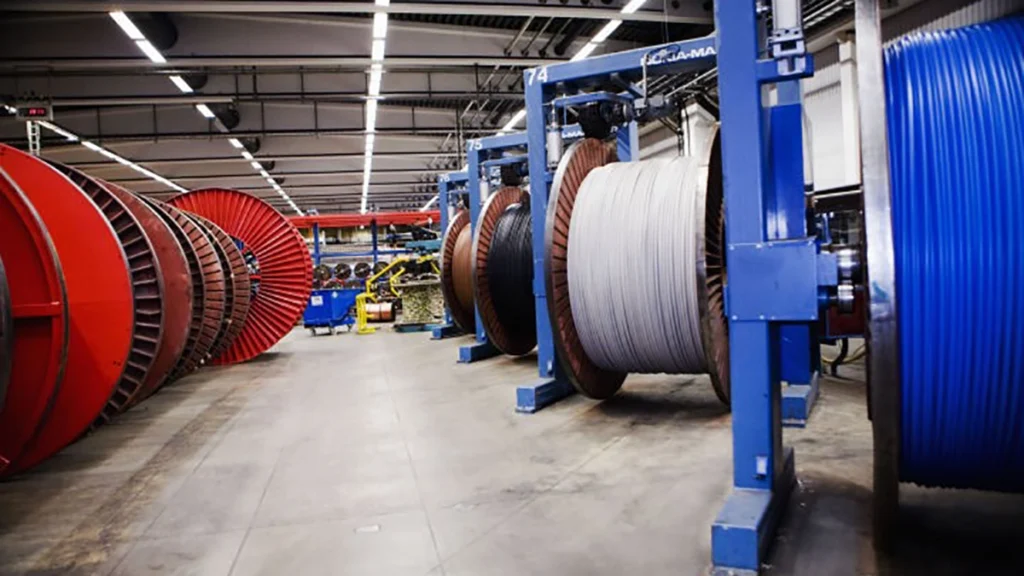
Common issues include weather-induced insulation degradation, corrosion of metal components, mechanical damage from impacts or abrasion, sag and clearance problems, and faulty terminations or splices. Environmental conditions, improper installation, and aging hardware often drive these failures, leading to outages and higher maintenance. Overhead cables face a range of stressors: UV exposure, temperature fluctuations, moisture ingress, […]
What Are the Different Types of Overhead Cables?
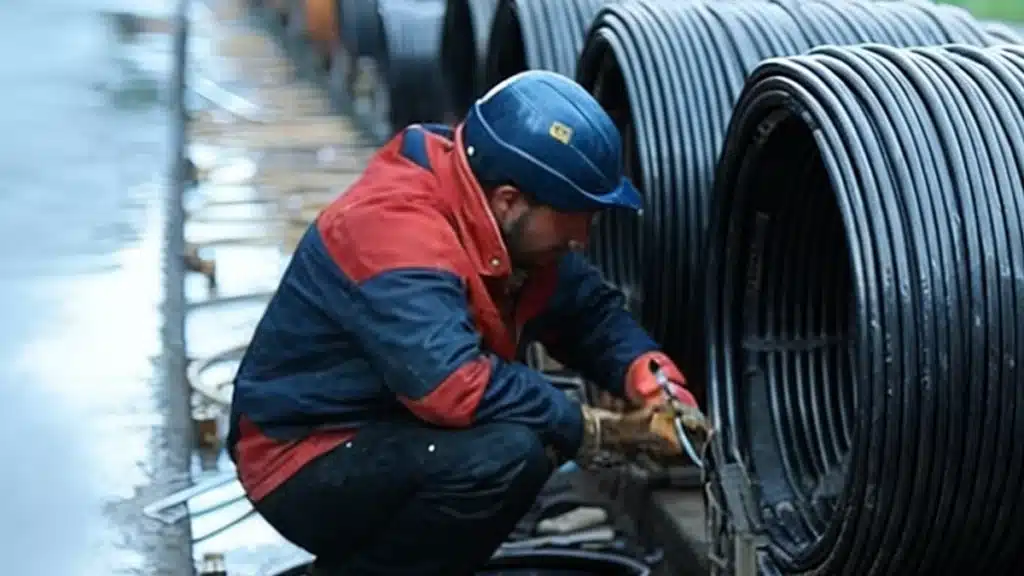
The main types include bare overhead conductors (like ACSR, AAC, AAAC) for power transmission, insulated overhead cables (XLPE or EPR insulated with weatherproof jackets), aerial bundled cables (ABC) for compact urban networks, self-supporting aerial cables (SAC) for installation without separate messenger wires, and overhead fiber optic cables for communications. Each type offers different levels of […]
N2XRH Cu/XLPE/LSZH/SWA/LSZH 0.6/1kV Cable
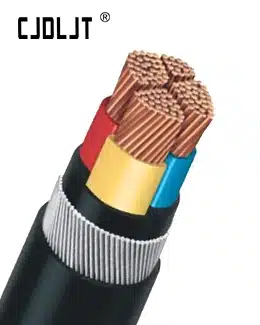
European reference for a low voltage multi-core LSZH power cable with steel wire armour (SWA). Same construction as the British Standard BS6724 cable. Power and auxiliary control cables for use in power networks, underground, outdoor and indoor applications and for use in cable ducting. For installation where fire, smoke emission and toxicfumes create a potential […]
What is an Overhead Power Cable System?
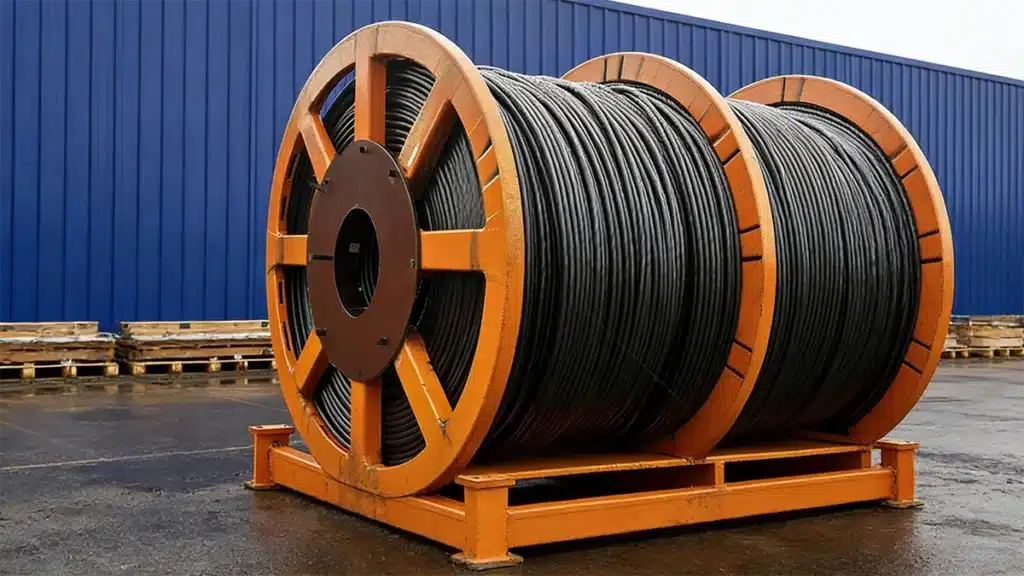
An overhead power cable system is a network of electrical conductors mounted above ground on poles or towers to transmit and distribute electrical power. It typically includes conductors (usually aluminum alloys or copper), insulators, supporting structures (poles, towers, crossarms), line hardware (clamps, spacers, guy wires), protection (weatherproof jackets on insulated lines or armor in rugged […]
What Are the Different Types of Armoured Cables?
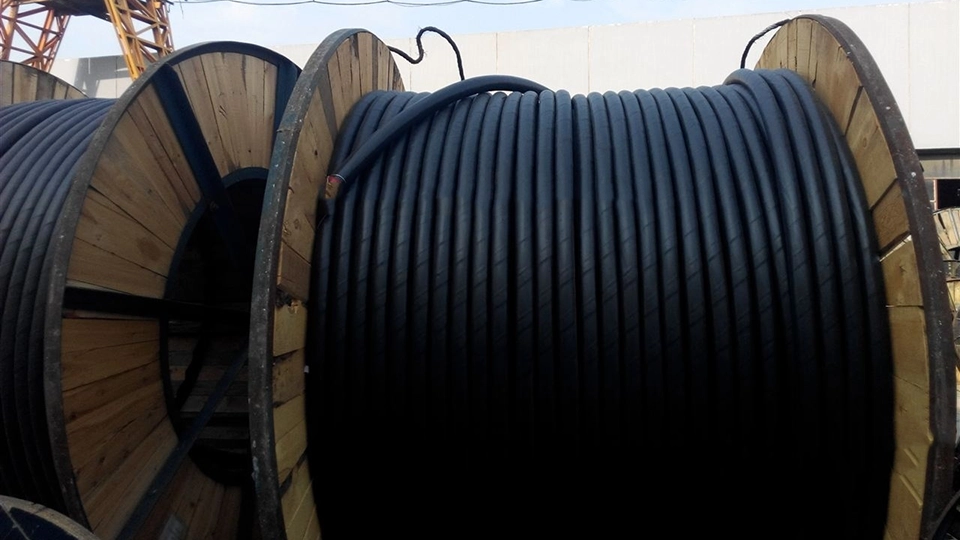
The main armored cable families are Steel Wire Armoured (SWA), Steel Tape Armoured (STA), Aluminium Wire Armoured (AWA), and Aluminium Tape Armoured (ATA). Each provides different levels of mechanical protection, weight, and flexibility, influencing where and how they’re used. SWA offers maximum crush resistance and is ideal for harsh, high-impact environments. STA provides strong protection […]
What Are Overhead Cables?
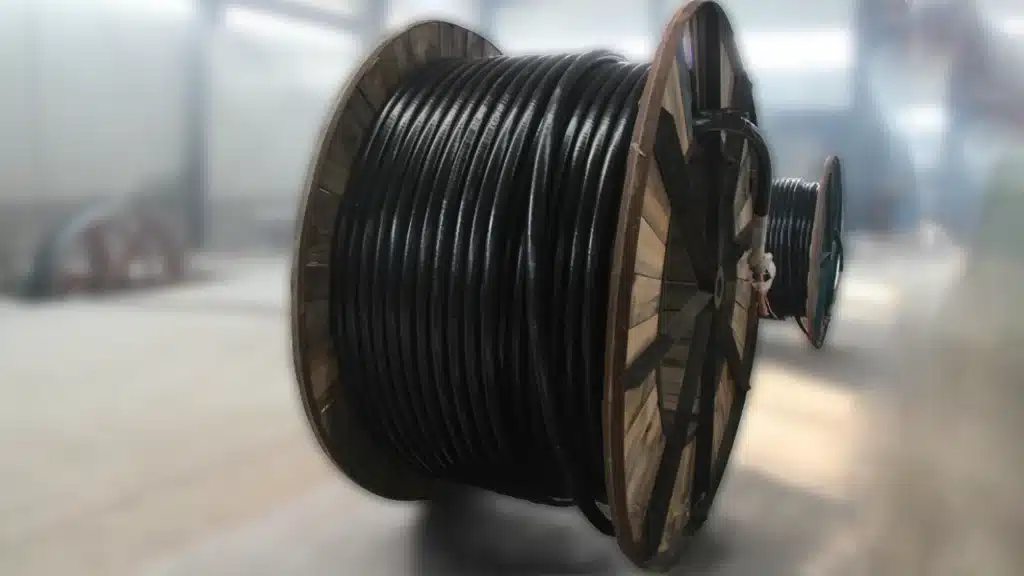
Overhead cables are electrical or communications conductors that are mounted above ground, usually on poles or towers. They’re used for distribution and transmission of power, as well as aerial communications, where underground routes are impractical or too costly. These cables are designed to withstand weather, wind, and temperature variations, often featuring weatherproof jackets and, in […]
What is the Difference Between Armored Cable and Normal Cable?
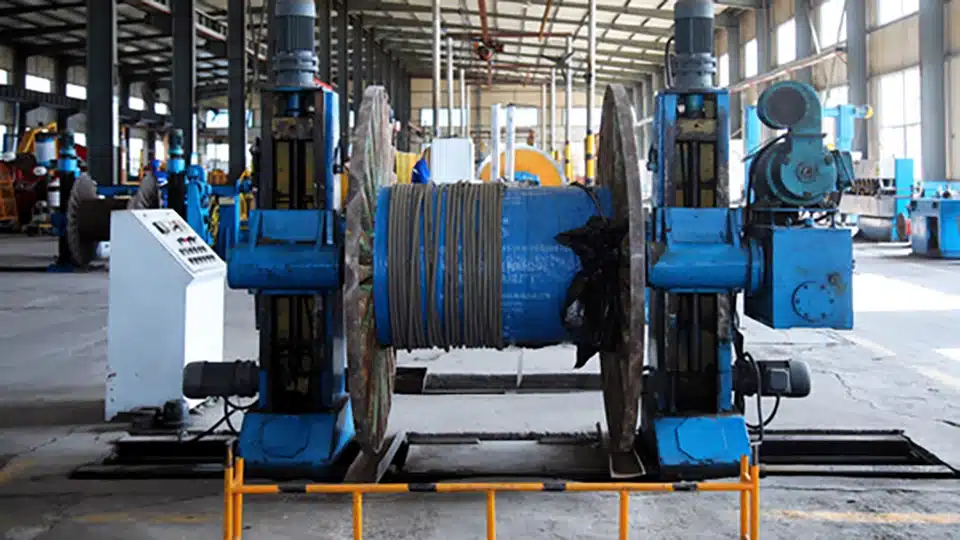
Armored cable has a protective metal layer around the insulated conductor core, typically steel or aluminum, to resist mechanical damage, moisture, and dust. Normal cable relies on insulation and jacket alone and is lighter, more flexible, and generally less expensive but offers less protection in harsh environments. The armor adds rugged durability for environments with […]
What is Armored Cable Used For?
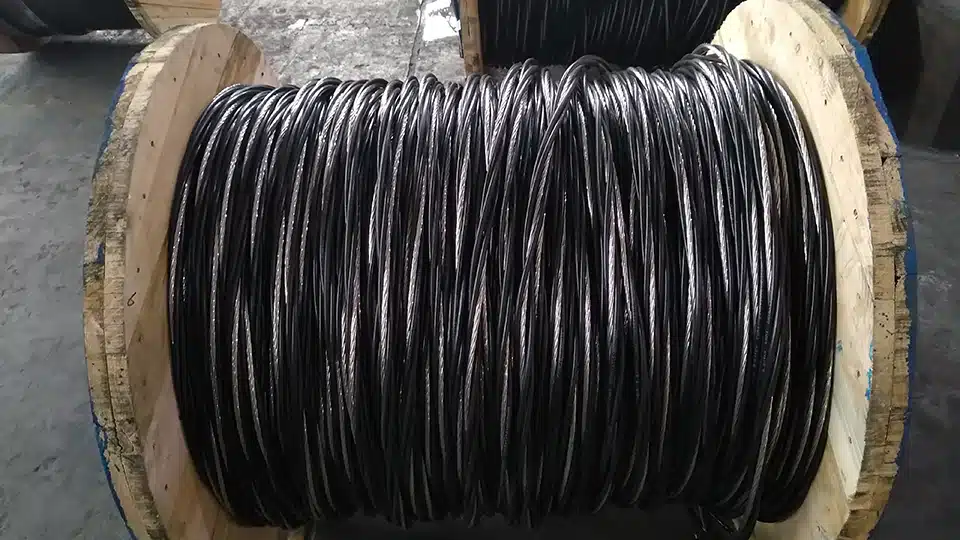
Armored cable is designed to protect electrical conductors from physical damage, moisture, and dust in harsh environments. It provides enhanced durability, better abrasion resistance, and improved safety for installations in industrial facilities, outdoor locations, and areas with high mechanical stress. Armored cable combines a protective metal layer with a conventional insulated conductor core. The metal […]
What Are the 4 Types of Cable?
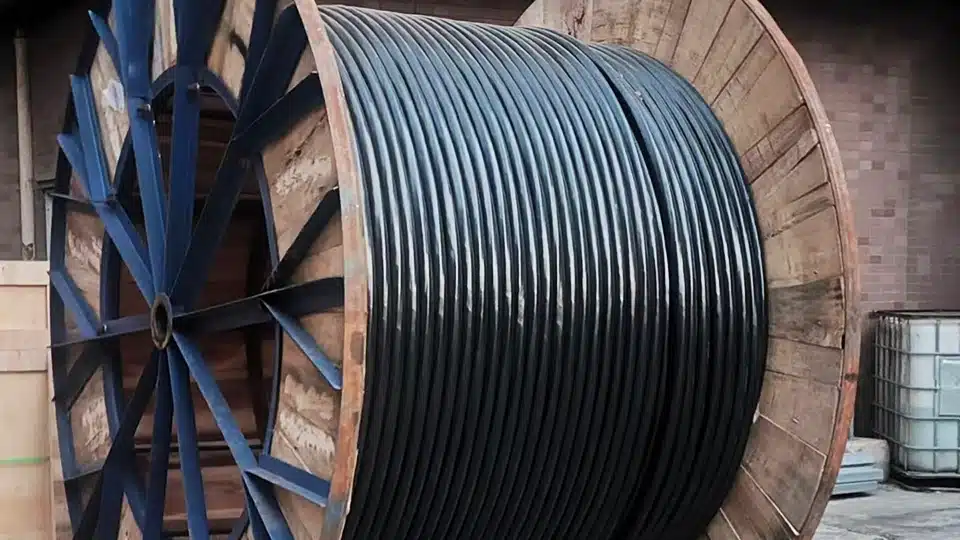
The four fundamental types are Power Cables, Control Cables, Data/Communication Cables, and Specialty/Industrial Cables (including coaxial, fiber optic, and high-temperature or armored variants). Each category serves a distinct purpose, with specific performance requirements such as voltage handling, signal integrity, bandwidth, and environmental resistance. Power Cables are designed to carry electrical power from sources to equipment, […]
What is a Control Cable?
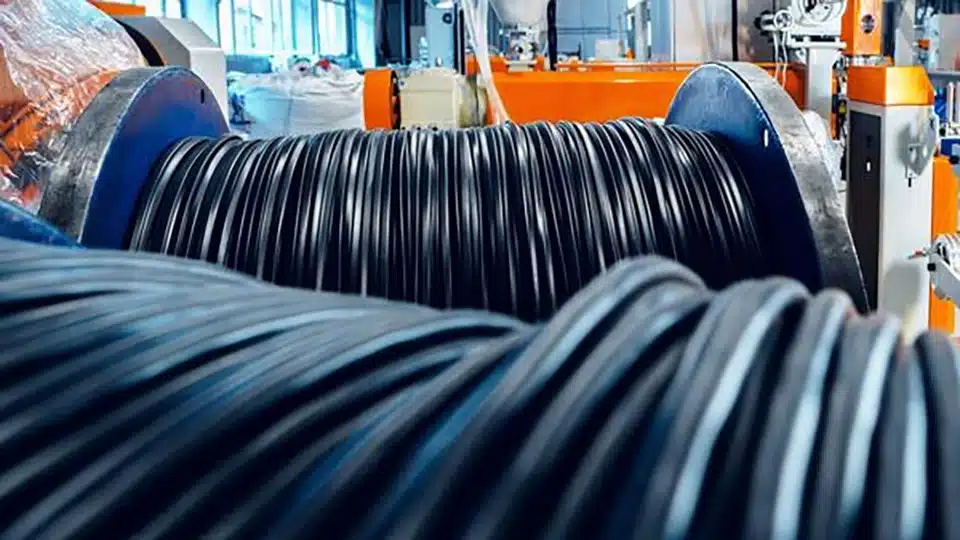
A control cable is a specialized electrical cable designed to carry control signals and data in automation systems, not high-power electrical loads. It prioritizes signal integrity, EMI resistance, flexibility, and environmental durability to ensure reliable communication between controllers, sensors, and actuators. In modern manufacturing and process plants, control cables connect PLCs, sensors, drives, and actuators. […]